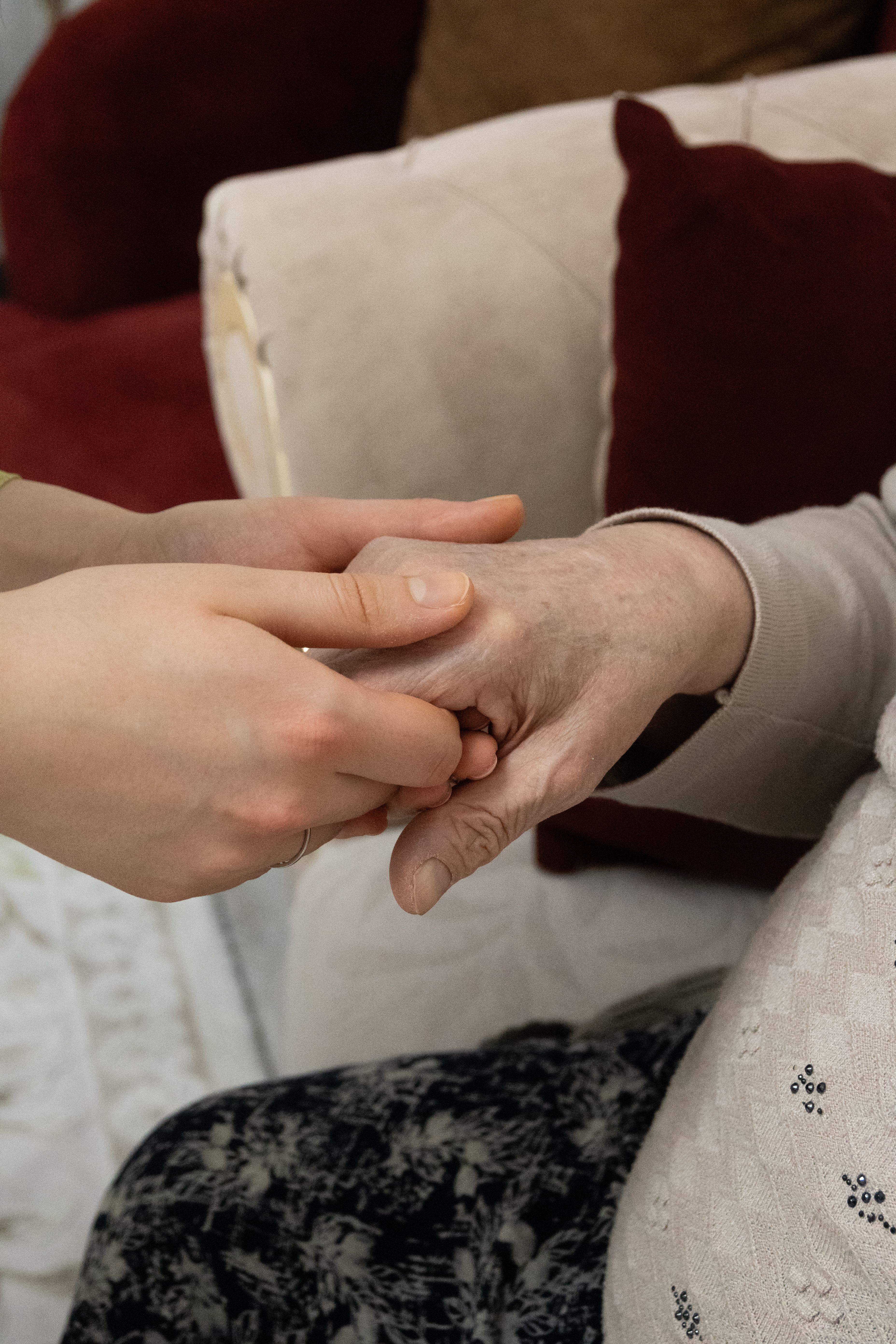
Coming Home After Surgery Is a Big Step
Leaving the hospital after surgery feels like a relief — but recovery doesn't end at discharge.
The days and weeks that follow are critical, and many families quickly realize that healing at home requires more support than expected.
Knowing what to watch for — and when to bring in extra help — can make the difference between a smooth recovery and a setback.
Why the First Few Weeks at Home Matter So Much
Research shows that recovery risks don't disappear once a patient walks out of the hospital. In fact, this is often when problems are most likely to occur.
- Nearly 1 in 5 Medicare patients are readmitted to the hospital within 30 days of discharge, often due to surgical complications, medication errors, or unmanaged symptoms.
- Older adults are at a notably higher risk of falling in the months after surgery — even those who rarely fell before their procedure.
- A fall during recovery can be especially dangerous, risking re-injury to the surgical site, torn stitches, or a secondary injury.
These numbers aren't meant to scare anyone — they're a reminder that the recovery period deserves just as much planning as the surgery itself.
Common Challenges During Post-Surgery Recovery
1. Limited Mobility
Surgery — especially orthopedic procedures like hip or knee replacements — often leaves patients with reduced strength, balance, or range of motion.
Watch for:
- Difficulty getting in and out of bed or chairs
- Trouble walking, even short distances
- Increased reliance on a walker or cane
- Fear of falling, which can lead to reduced activity and slower healing
2. Medication Management
Post-surgical recovery often comes with new prescriptions — sometimes several at once.
Warning signs of trouble include:
- Confusion about dosages or timing
- Missed doses
- Difficulty opening pill bottles or organizing a schedule
- Side effects that go unnoticed
3. Care and Hygiene
Bathing and dressing can become difficult — and even risky.
Common issues include:
- Avoiding showers due to fear of falling
- Going without proper grooming for days at a time
4. Nutrition and Hydration
Healing requires fuel, but cooking and meal prep are often the last thing a recovering patient has energy for.
Be aware of:
- Skipped meals or reliance on convenience food
- Weight loss
- Dehydration, which can slow healing and increase confusion
5. Home Safety Hazards
A home that felt safe before surgery can suddenly pose risks during recovery.
Look out for:
- Loose rugs, cords, or clutter in walkways
- Stairs that are difficult to navigate
- Bathrooms without grab bars or non-slip surfaces
How Extra Support Can Help
The good news: many of these risks can be reduced significantly with the right help in place — without requiring a move to a facility.
Personal Care
- Assistance with bathing, dressing, and grooming around the surgical site
- Help with safe transfers in and out of bed or chairs
- Support with mobility and short walks to rebuild strength
- Medication reminders to help stay on track with new prescriptions
Homemaking
- Preparing nutritious meals that support healing
- Light housekeeping to reduce fall hazards
- Laundry and bedlinen changes — especially important for comfort and hygiene during recovery
Companionship
- A familiar, friendly presence during a vulnerable time
- Someone to help monitor how recovery is progressing day to day
- Reduced isolation, which research links to slower healing and a higher risk of depression after surgery
How Do You Know If Extra Support Is Needed?
Every recovery looks different, but families often consider extra help when:
- The patient lives alone and has no one to check in regularly
- Mobility is significantly limited, even for short periods
- The surgical team recommends help with daily activities during recovery
- A family caregiver also works full-time or has their own health needs
- There's a history of falls or fear of falling
Even temporary support — just a few hours a day for a few weeks — can make a meaningful difference in how smoothly recovery goes.
A Flexible Option That Fits Your Recovery Timeline
One of the biggest benefits of in-home care during post-surgical recovery is flexibility.
Support can start with just a few hours a day right after discharge and be adjusted — increased or decreased — as strength and independence return. There's no long-term commitment required, and care can scale down naturally as your loved one heals.
Interested in Learning More About Recovery Support at Home?
If you're preparing for a loved one's discharge or already navigating recovery at home, we're here to help.
Speak with our team today at 616-261-4046 Or contact us for a free consultation
At Great Lakes Home Care Services, we provide compassionate, personalized care designed to support a safe and comfortable recovery at home.
Our caregivers are available 24/7. Call now for a free consultation.